
Chinese Black Tea: Why China Calls It Red Tea (Hong Cha)
Updated 2026-09-28
Reviewed by tea master Ms. Judy (Wang Mengyu)
The tea we call black is known in China as red tea (hong cha, 红茶) - after the colour of the liquor: amber-ruby, warm as a setting sun. It is a fully oxidised tea, and it was China that gave it to the world, from Wuyi’s Zheng Shan Xiao Zhong to Yunnan’s Dian Hong.
Taste and character
Chinese black tea is softer and sweeter than the familiar European cup: honey, baked bread, dried fruit and cocoa, with hardly any harsh astringency - which is why it is drunk without sugar or milk. Its dense malty base carries fruit and flower aromas beautifully: lychee and rose with black tea are southern-Chinese classics.
In the Chinese tradition
Red tea is considered the warmest and homeliest of Chinese teas: it is offered to guests in the cold season, and in Guangdong it accompanies lychees and desserts. A fine irony: Europeans named it black after the dry leaf, the Chinese named it red after the liquor - and both, as usual, are right.
How to brew
Water at 90–95 °C, short steeps. Chinese black tea works both gongfu-style in small pours and in a big mug - it is stable and forgiving. It is also excellent iced.
And to see where this leaf sits among the six categories of Chinese tea - the Chinese tea types guide maps the whole family.
Shop Black Tea in our catalog →
Notes on traditional properties are part of Chinese tea culture and are not medical advice.
Buy these teas
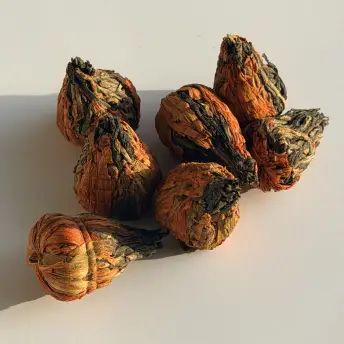 Lily Dianhong
from 550 THB
View this tea
Lily Dianhong
from 550 THB
View this tea
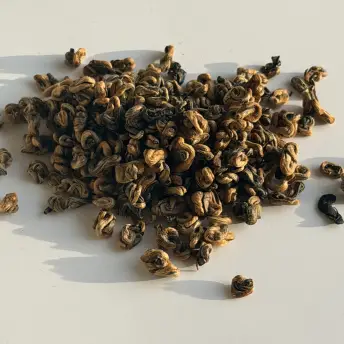 Golden Snail (Dian Hong Jin Luo)
from 590 THB
View this tea
Golden Snail (Dian Hong Jin Luo)
from 590 THB
View this tea
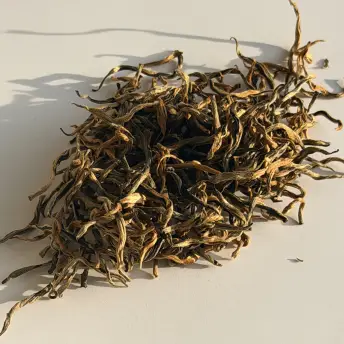 Golden Silk (Jin Si)
from 570 THB
View this tea
Golden Silk (Jin Si)
from 570 THB
View this tea
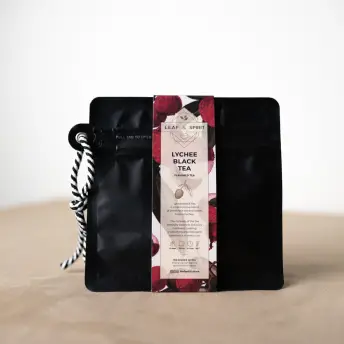 Lychee Black Tea
from 280 THB
View this tea
Lychee Black Tea
from 280 THB
View this tea