
Sheng vs Shou Pu-erh: How to Tell Them Apart
Updated 2026-08-23
Reviewed by tea master Ms. Judy (Wang Mengyu)
Sheng (raw, 生) pu-erh is sun-dried leaf pressed into cakes and left to mature untouched for decades. Shou (ripe, 熟) goes through several weeks of wet-pile fermentation and pours dark, smooth and earthy from the first year. Same Yunnan leaf, two teas - you can usually tell them apart before the first sip. Both are branches of the pu-erh family.
| Aspect | Sheng | Shou |
|---|---|---|
| Process | Sun-dried, pressed, aged for decades | Weeks of wet-pile fermentation |
| Dry leaf | Olive-green to dark copper | Uniform dark brown, golden buds |
| Liquor | Pale gold to amber | Deep ruby, near-black |
| Taste | Brisk, light bitterness, hui gan | Thick, calm, steady sweetness |
| Aging | Keeps evolving for twenty years | Set at the factory, softens slowly |
| Price logic | Mountain name plus years ahead | Leaf grade |
One Leaf, Two Paths: How They Are Made
The whole difference comes down to one step. Both begin as mao cha (毛茶): leaf from Yunnan's broad-leaf trees, picked, withered, pan-heated and sun-dried. Sheng pu-erh is then pressed and stored - time does the rest. Shou pu-erh takes the shortcut worked out in Kunming in the 1970s: the leaf is piled wet and turned (wo dui, 渥堆), and within weeks microbes give it the depth sheng needs decades to reach.
One fork in the process. Colour, smell, taste and price all follow from it.
How Can You Tell Them Apart at a Glance?
Look at the dry leaf. Sheng ranges from olive-green to dark copper depending on age, and you can pick out individual leaves in the cake. Shou is uniformly dark brown to near-black, often flecked with golden buds. Brewed, the difference is plain: sheng pours pale gold to amber, shou a deep ruby that reads almost black in the cup.
Smell seals it. Dry sheng gives hay and dried apricot; shou smells of damp earth, old wood and cocoa. After steeping, sheng leaf stays springy and khaki, while shou leaf turns soft and chocolate-brown.
Taste, Age and Price: What Time Changes
Young sheng is brisk and a little bitter, with the returning sweetness Chinese drinkers call hui gan (回甘). Shou has no bite at all: thick and calm, with a steady sweetness. Sheng keeps evolving for twenty years and more; shou arrives at its character in the factory, then only softens slowly.
The price logic follows: with sheng you pay for a named mountain and the years ahead - a cake grows dearer as it ages - while with shou you pay for leaf grade. Our Imperial Gong Ting shou 2018 (฿750 for a 200 g cake) is priced for its tender gong ting buds, the top grade in ripe tea; the Wuliang Mountain sheng 2019 (฿1,200, 357 g) carries seven years of age and a mountain name on its wrapper.
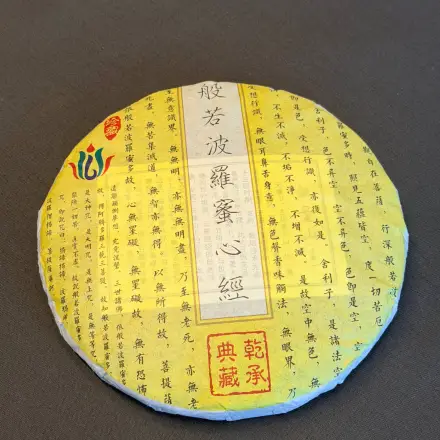
Phuket adds a twist we watch on our own shelf: hot, humid air pushes a sheng cake along far faster than dry storage. The 2019 Wuliang already drinks rounder than its age suggests - honeyed, the bitterness folded in.
Which Pu-erh Should You Try First?
Start with shou if pu-erh is new to you. It forgives careless brewing and tastes smooth from the very first cup. Choose sheng first if you already love green tea or dry white wine - that briskness is the same pleasure.
The brewing tweaks are small. Water at 90–95 °C keeps sheng's bitterness polite; shou wants a full 95–100 °C boil; both need a quick rinse before the first proper steep. Step-by-step timings live in our guide on how to brew pu-erh.
The fastest way to learn the difference is side by side: two gaiwans, 5 g in each, the same water. Against a white cup the liquor answers before your tongue does. We pour exactly this comparison at our tea house on Cherng Talay Road, daily 10:00–18:30 - ask for the sheng and shou cakes together.
Shop Pu-erh Tea in our catalog →
Notes on traditional properties are part of Chinese tea culture and are not medical advice.
Buy from the tea house shelf
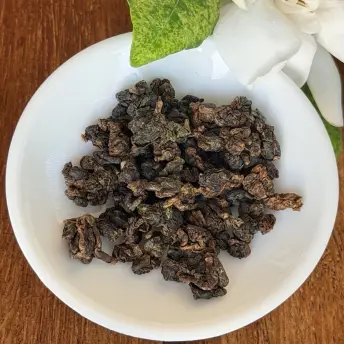 GABA Oolong Amber Smoke
from 650 THB
View this tea
GABA Oolong Amber Smoke
from 650 THB
View this tea
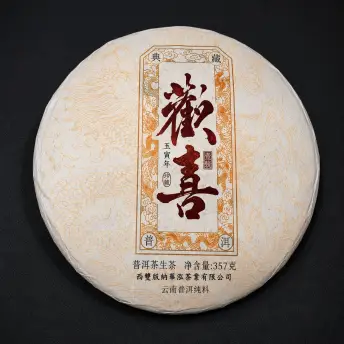 Joy Sheng Pu-erh (2023)
from 1280 THB
View this tea
Joy Sheng Pu-erh (2023)
from 1280 THB
View this tea
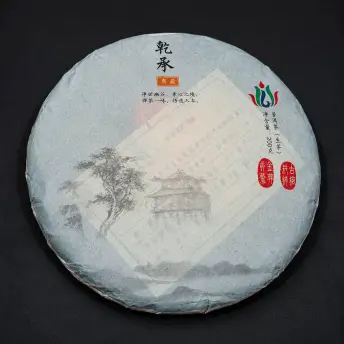 Nuo Wu Sheng Pu-erh (2018)
from 950 THB
View this tea
Nuo Wu Sheng Pu-erh (2018)
from 950 THB
View this tea
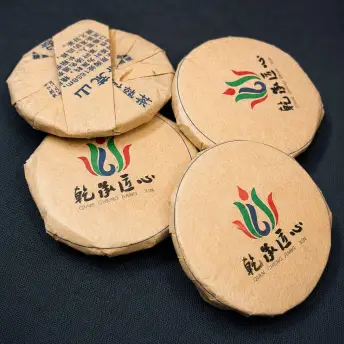 Ancient Tree Raw Pu-erh (Sheng) Mini Cake
from 140 THB
View this tea
Ancient Tree Raw Pu-erh (Sheng) Mini Cake
from 140 THB
View this tea
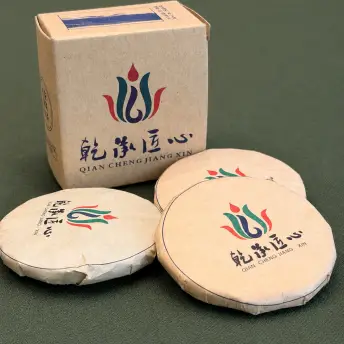 Ancient Tree Trio
380 THB
View this tea
Ancient Tree Trio
380 THB
View this tea
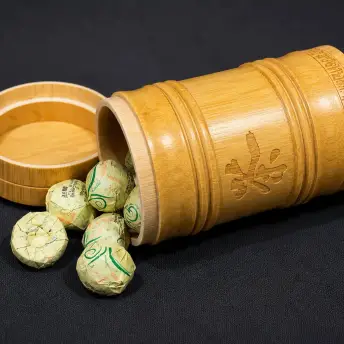 Bamboo Tea Caddy with Mini Pu-erh
from 910 THB
View this tea
Bamboo Tea Caddy with Mini Pu-erh
from 910 THB
View this tea
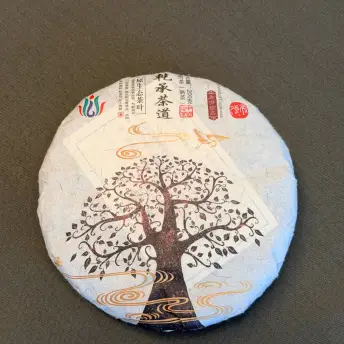 Imperial Gong Ting Ripe (Shu) Pu-erh (2018)
from 750 THB
View this tea
Imperial Gong Ting Ripe (Shu) Pu-erh (2018)
from 750 THB
View this tea
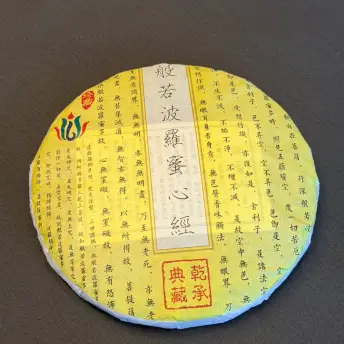 Wuliang Mountain Sheng Pu-erh (2019)
from 1300 THB
View this tea
Wuliang Mountain Sheng Pu-erh (2019)
from 1300 THB
View this tea
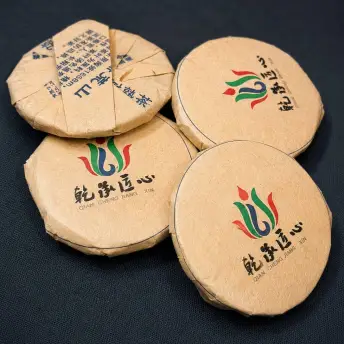 Ancient Tree Ripe Pu-erh (Shou) Mini Cake
from 130 THB
View this tea
Ancient Tree Ripe Pu-erh (Shou) Mini Cake
from 130 THB
View this tea
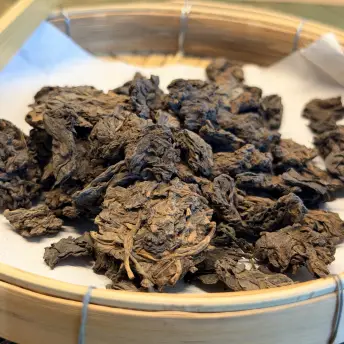 Lao Cha Tou (Old Tea Heads) ripe Pu-erh
from 680 THB
View this tea
Lao Cha Tou (Old Tea Heads) ripe Pu-erh
from 680 THB
View this tea
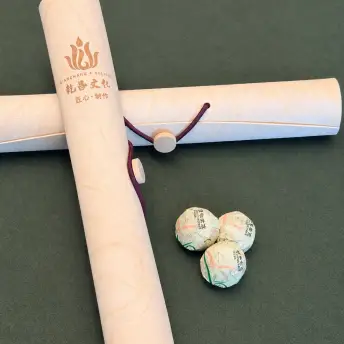 Sticky Rice Aroma Mini Pu-erh Gift Box
380 THB
View this tea
Sticky Rice Aroma Mini Pu-erh Gift Box
380 THB
View this tea
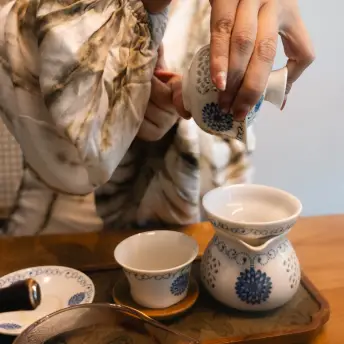 Chinese Tea Ceremony Experience in Phuket
2000 THB
View product
Chinese Tea Ceremony Experience in Phuket
2000 THB
View product