
Thai Tea: Orange Cha Yen, Blue Anchan, and the Real Mountain Leaf
Updated 2026-08-30
Reviewed by tea master Ms. Judy (Wang Mengyu)
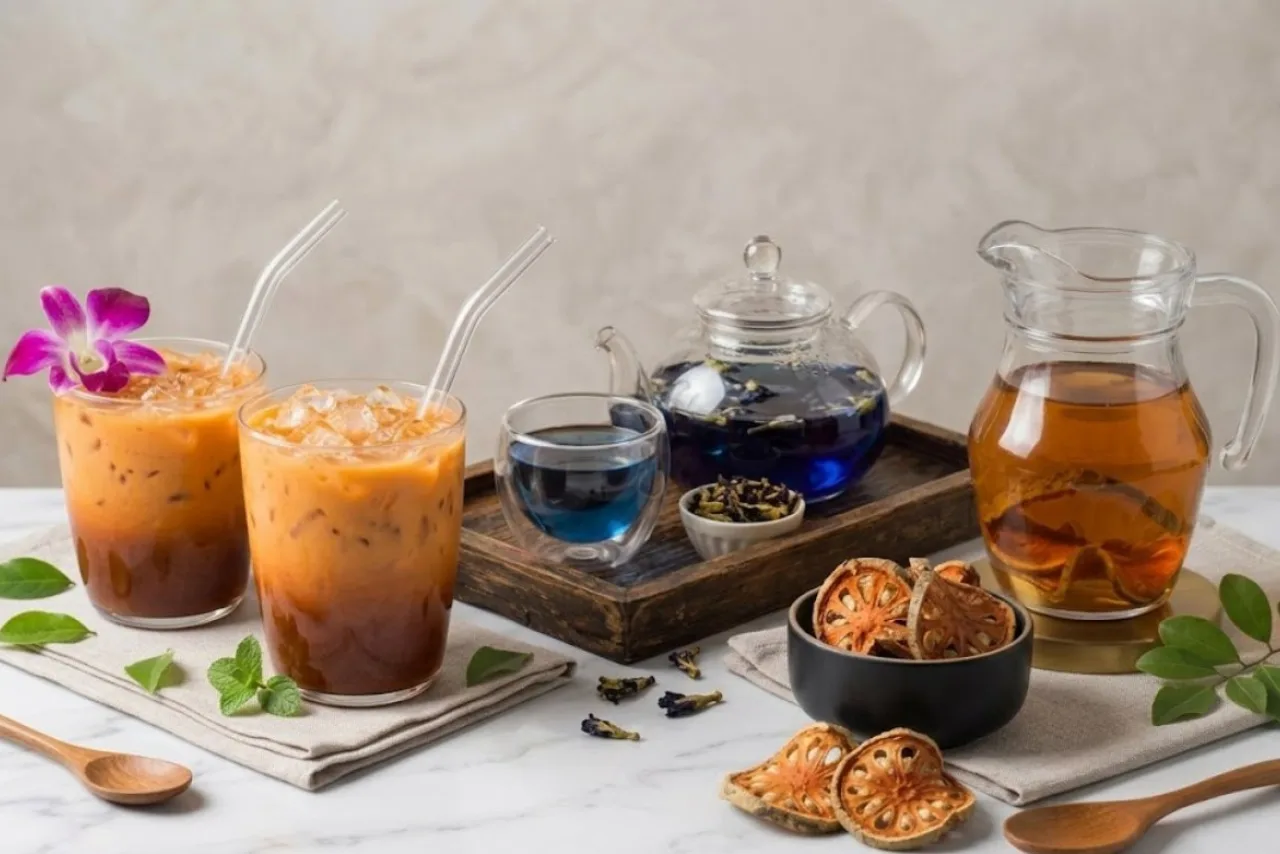
The words "Thai tea" cover three different drinks: orange cha yen with condensed milk, a blue infusion of anchan flowers, and herbal cups like matum. Thailand also grows real tea leaf the guidebooks rarely mention: in the mountain village of Mae Salong up north they make serious oolongs, including rare GABA oolong. Here are all four. Written in a Phuket tea house.
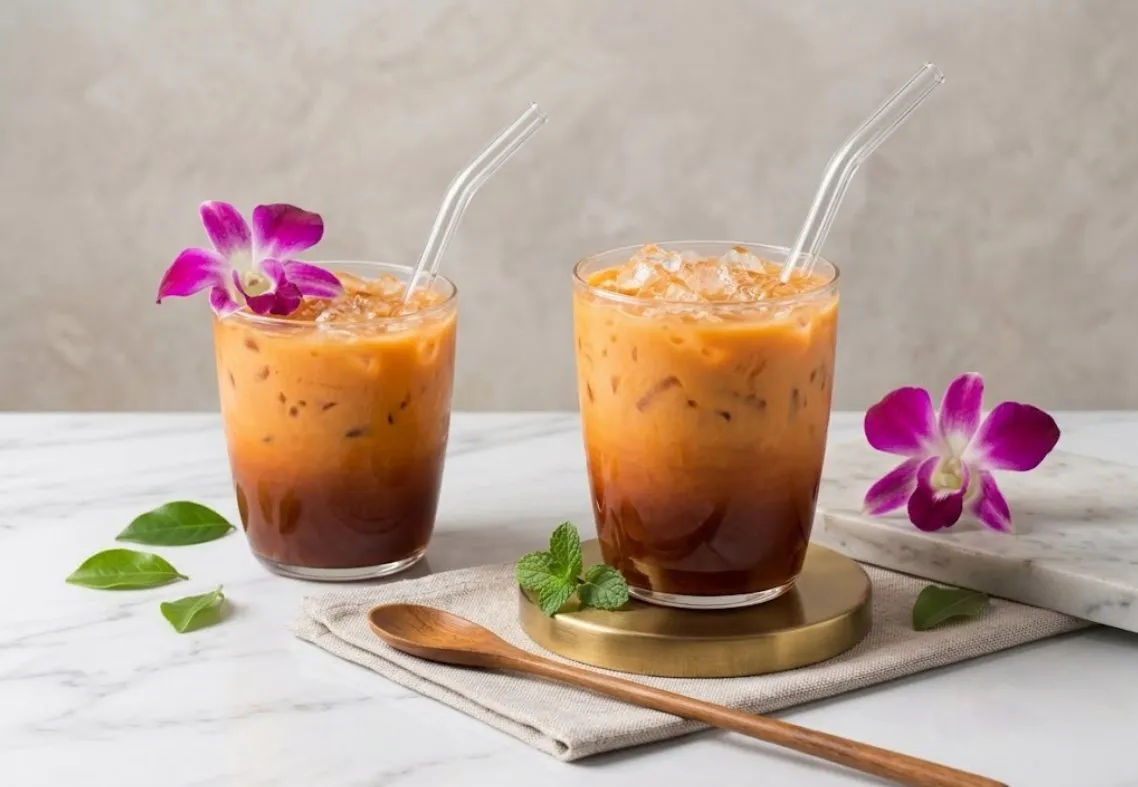
Orange with condensed milk: cha yen
That street-cart glass: strong black tea, sugar, star anise, condensed milk, ice and the food dye that gives it the neon-orange colour. Not a variety but a recipe. The mix, a home method and the green emerald version are covered in the cha yen guide.
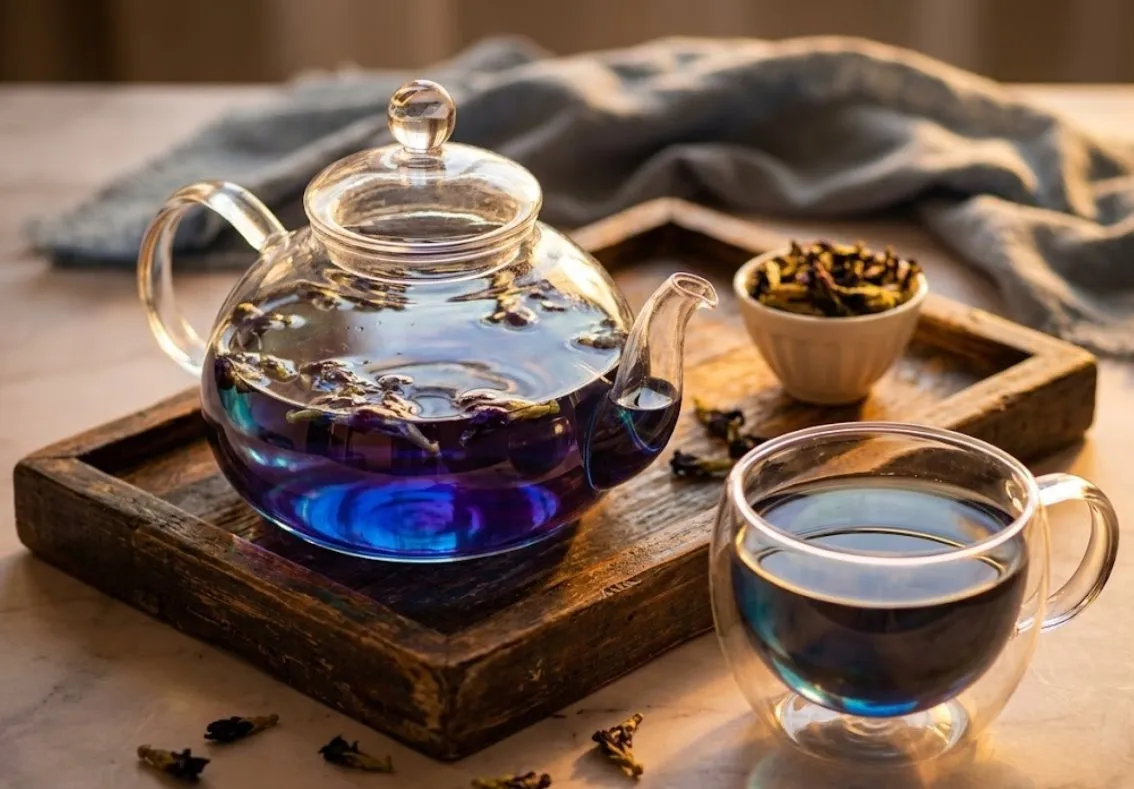
Blue from flowers: anchan
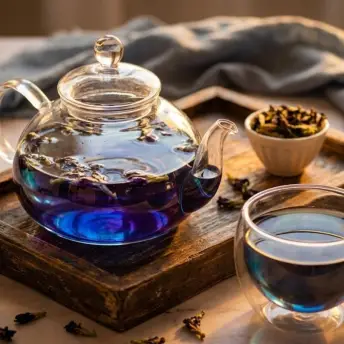
Dried butterfly pea flowers brew into a bright blue cup with almost no taste, and a squeeze of lime turns it purple. Anchan has nothing to do with the tea bush and carries no caffeine. The details and a sober look at the health talk live in the anchan guide.
Herbal and fruit cups: matum and company
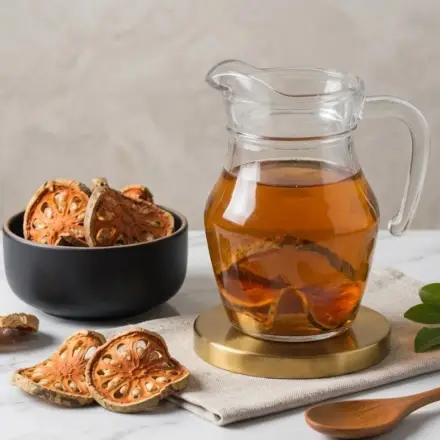
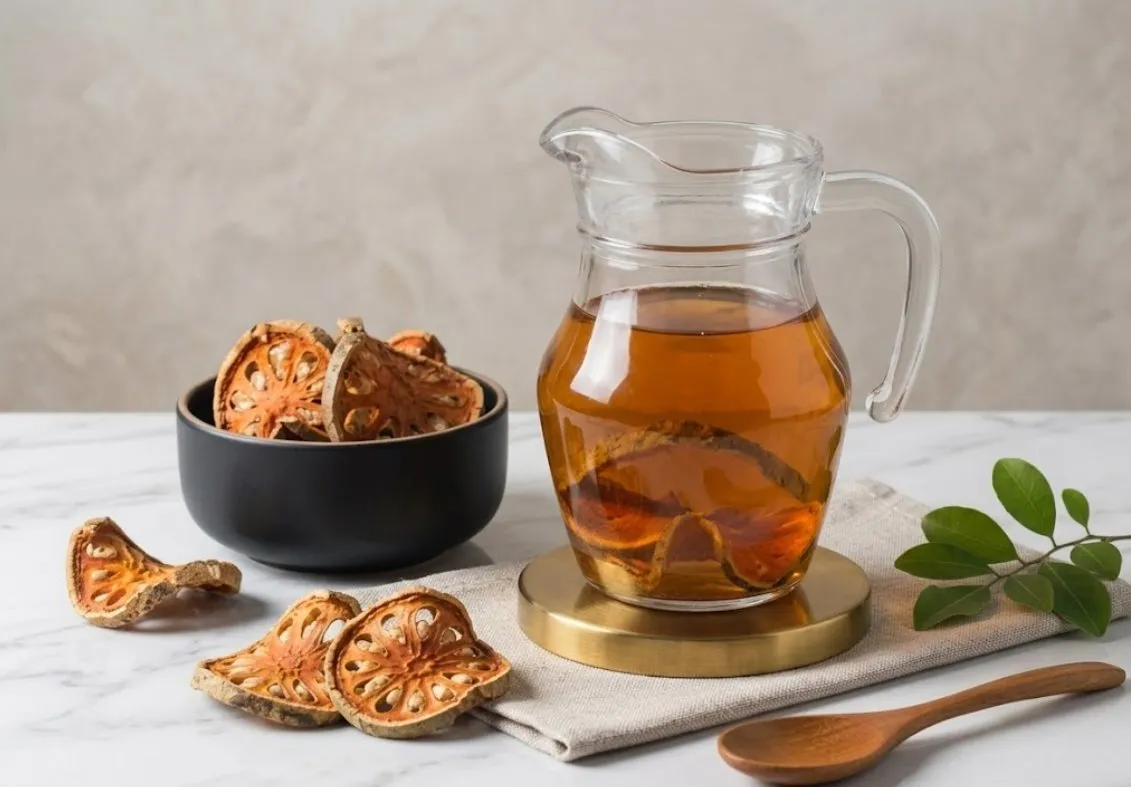
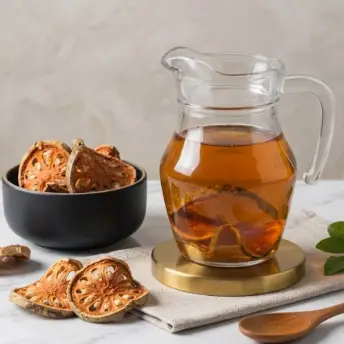
Matum is dried slices of bael fruit tasting of dried apricot and baked apple, caffeine-free. Beside it at the markets stand lemongrass, ginger and pandan. All honest everyday Thai infusions; none of them contains tea leaf.
Does Thailand grow real tea?
It does. In the far north, around the mountain village of Mae Salong, the slopes have carried the Taiwanese cultivars Jin Xuan No. 12 and Ruan Zhi No. 17 since the 1970s–80s. Today that leaf stands comfortably next to Taiwan's own. The most distinctive is GABA oolong, fermented without oxygen: our GABA Oolong Amber Smoke (650 THB per 100 g) comes from there, as does Red Oolong No. 12, named after its Taiwanese cultivar.
The north also grows black tea from assam leaf, chewed for centuries as miang. A quirk of terms: Chinese tradition calls such tea red, so Thai black tea and Thai red tea are usually the same leaf, the difference being whose classification the seller uses.
Which Thai tea should you take home?
The cha yen mix and a bag of anchan are the easiest to carry. For daily drinking, homes reach for something else: mountain oolong from Mae Salong, hard to find outside Asia. The full run-down with prices is in the tea souvenirs guide, and the questions to ask a seller are in the guide to buying tea in Thailand.
FAQ
Is Thai tea a variety of tea?
No. Orange "Thai tea" is a recipe of black tea, condensed milk and dye; the blue one is butterfly pea flowers; matum is a dried fruit. Only the leaf from northern Thailand is varietal: oolongs of Taiwanese descent from Mae Salong.
How is Thai tea different from Chinese tea?
Thai street drinks are built on sugar, condensed milk and ice, while the Chinese tradition drinks clean leaf with nothing added. The Thai mountain leaf itself is kin to Chinese and Taiwanese tea: the same Camellia sinensis bushes, carried to Thailand's north.
Where can you try real Thai tea in Phuket?
At our tea house, Leaf & Spirit, 101 Cherng Talay Road, Choeng Thale: we brew GABA oolong and Red Oolong No. 12 before you buy, daily 10:00–18:30. For the unhurried version, a tea ceremony with our master runs about two hours, from 2,000 THB.
Notes on traditional properties are part of Chinese tea culture and are not medical advice.
Buy from the tea house shelf
 Anchan - Butterfly Pea Flower Tea
from 90 THB
View this tea
Anchan - Butterfly Pea Flower Tea
from 90 THB
View this tea
 Matum - Bael Fruit Tea
from 78 THB
View this tea
Matum - Bael Fruit Tea
from 78 THB
View this tea
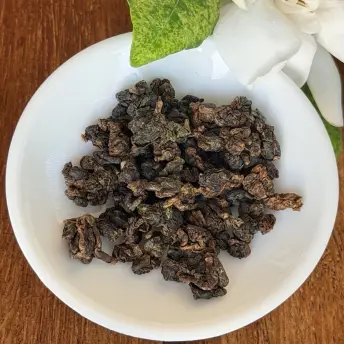 GABA Oolong Amber Smoke
from 650 THB
View this tea
GABA Oolong Amber Smoke
from 650 THB
View this tea
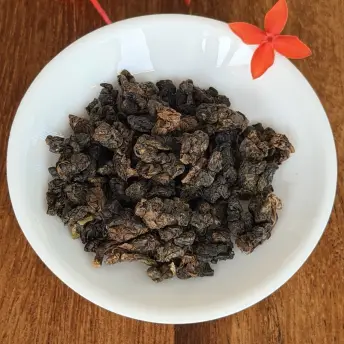 Red Oolong No. 12
from 690 THB
View this tea
Red Oolong No. 12
from 690 THB
View this tea
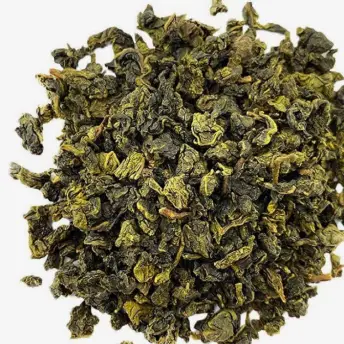 Milk Oolong
from 480 THB
View this tea
Milk Oolong
from 480 THB
View this tea
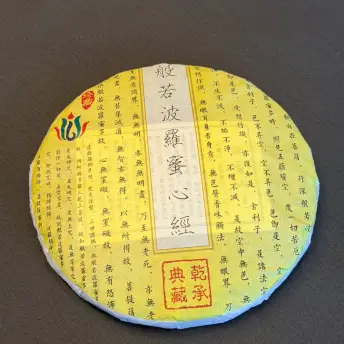 Wuliang Mountain Sheng Pu-erh (2019)
from 1300 THB
View this tea
Wuliang Mountain Sheng Pu-erh (2019)
from 1300 THB
View this tea