
How to Brew Oolong Tea: Gaiwan or Teapot, by Style
Updated 2026-08-29
Reviewed by tea master Ms. Judy (Wang Mengyu)
Oolong brews at 85–95 °C, about 3 g of leaf per 100 ml; the style decides where in that range you land. Light, floral oolongs want 85 °C and quick pours; roasted and GABA styles take a full 95 °C. Rolled pearls need one wake-up rinse. We pour both ends daily at our Phuket counter.
What water temperature does oolong need?
One line covers it: green rolled leaf at 85 °C, dark leaf at 95 °C. Oolong is partially oxidised tea, roughly 10 to 80 per cent, and the deeper the oxidation and roast, the hotter the water it takes.
The light end is fragile: boiling water on milk oolong burns off the cream note first. The dark end is the opposite: Red Oolong No. 12 and GABA Amber Smoke from Mae Salong in Northern Thailand stay thin below 95 °C. The whole scale is in our types of oolong guide.
Brewing oolong step by step
The ratio: 3 g per 100 ml. In a gaiwan that means steeps of about twenty seconds.
- Warm the vessel. Hot water in, out. Warm walls keep a short steep honest.
- Dose. Dry pearls look meagre; by the third pour they unfurl and fill the gaiwan.
- Wake the leaf. Tightly rolled styles (milk oolong, Tieguanyin) get a five-second rinse, discarded. GABA and dark twisted leaf skip it: they open fast on their own.
- Steep short. Twenty seconds, drain, taste. Add five to ten seconds every round.
- Drain to the last drop. Water left standing keeps brewing and hardens the next cup.
Never judge an oolong by its first cup. The aroma opens in steps: flowers first, then fruit, then honey and cream. Our Osmanthus Oolong shows it plainly: apricot blossom up front, honeyed leaf by steep five. The rest of the choreography is in our gongfu cha guide.
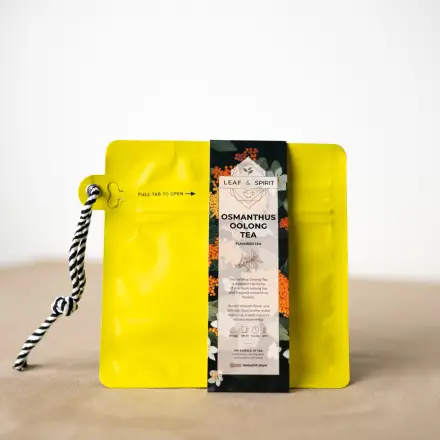
Scalded cream and thin roast: notes from our counter
The mistake we meet most: one kettle setting for every tea. Boiling water turns milk oolong into plain green leaf: the cream burns off and does not come back. Water at 85 °C on a dark roast fails the other way: a thin, timid cup.
Bitterness is rarer in oolong than in green tea. When it comes, it comes from time: cut the steep to ten seconds before you touch the temperature. Oversteeped GABA oolong turns thicker and darker, never truly bitter - the most forgiving leaf on our shelf.
A first cup of almost nothing means pearls still closed. Rinse once more and wait - patience beats extra leaf.
No gaiwan? Teapot numbers
A western teapot or a strainer mug works: the same 3 g per 100 ml, 3–4 minutes, 85 or 95 °C by style. Light rolled styles re-steep four to six times, dark ones six to eight, each round a little longer.
Every oolong we sell is brewed at 101 Cherng Talay Road before it reaches the shelf - come by and we will pour both ends side by side.
FAQ
What is the right water temperature for oolong tea?
Light, floral oolongs take 85 °C; hotter water burns off the cream and flower notes. Dark and roasted styles, including red oolong and GABA, want 95 °C.
How many infusions does oolong hold?
Light rolled styles hold four to six steeps, dark ones six to eight. Short gongfu pours add a round or two; long teapot steeps spend the leaf faster.
Can I brew oolong in a western teapot?
Yes. 3 g per 100 ml, 3–4 minutes, temperature by style: 85 °C light, 95 °C dark. The same portion re-steeps: four to six rounds for light oolongs, six to eight for dark.
Shop Oolong Tea in our catalog →
Notes on traditional properties are part of Chinese tea culture and are not medical advice.
Buy from the tea house shelf
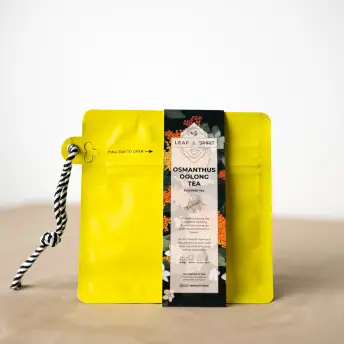 Osmanthus Oolong
from 280 THB
View this tea
Osmanthus Oolong
from 280 THB
View this tea
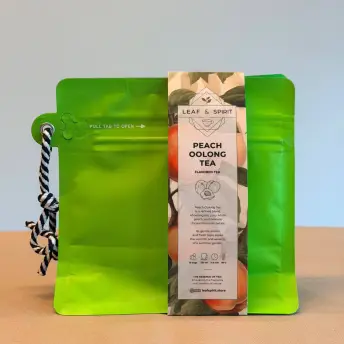 Peach Oolong
from 280 THB
View this tea
Peach Oolong
from 280 THB
View this tea
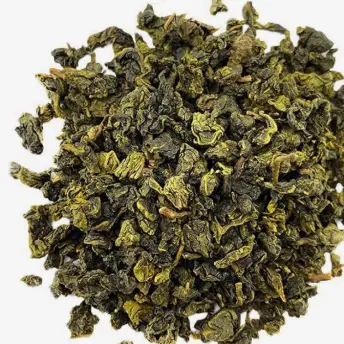 Milk Oolong
from 480 THB
View this tea
Milk Oolong
from 480 THB
View this tea
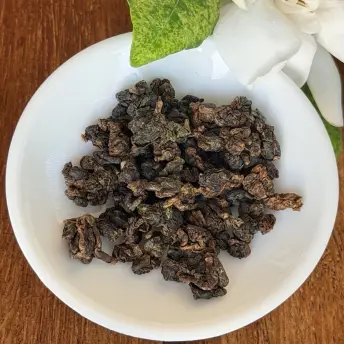 GABA Oolong Amber Smoke
from 650 THB
View this tea
GABA Oolong Amber Smoke
from 650 THB
View this tea
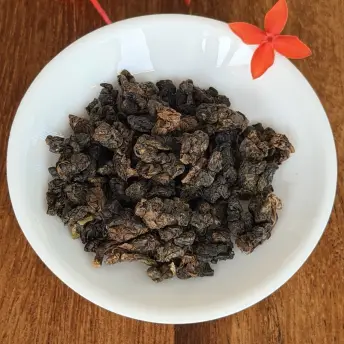 Red Oolong No. 12
from 690 THB
View this tea
Red Oolong No. 12
from 690 THB
View this tea