
How to Tell Real Chinese Tea from Souvenir Tea in Thailand (and Where to Buy It)
Updated 2026-09-10
Reviewed by tea master Ms. Judy (Wang Mengyu)
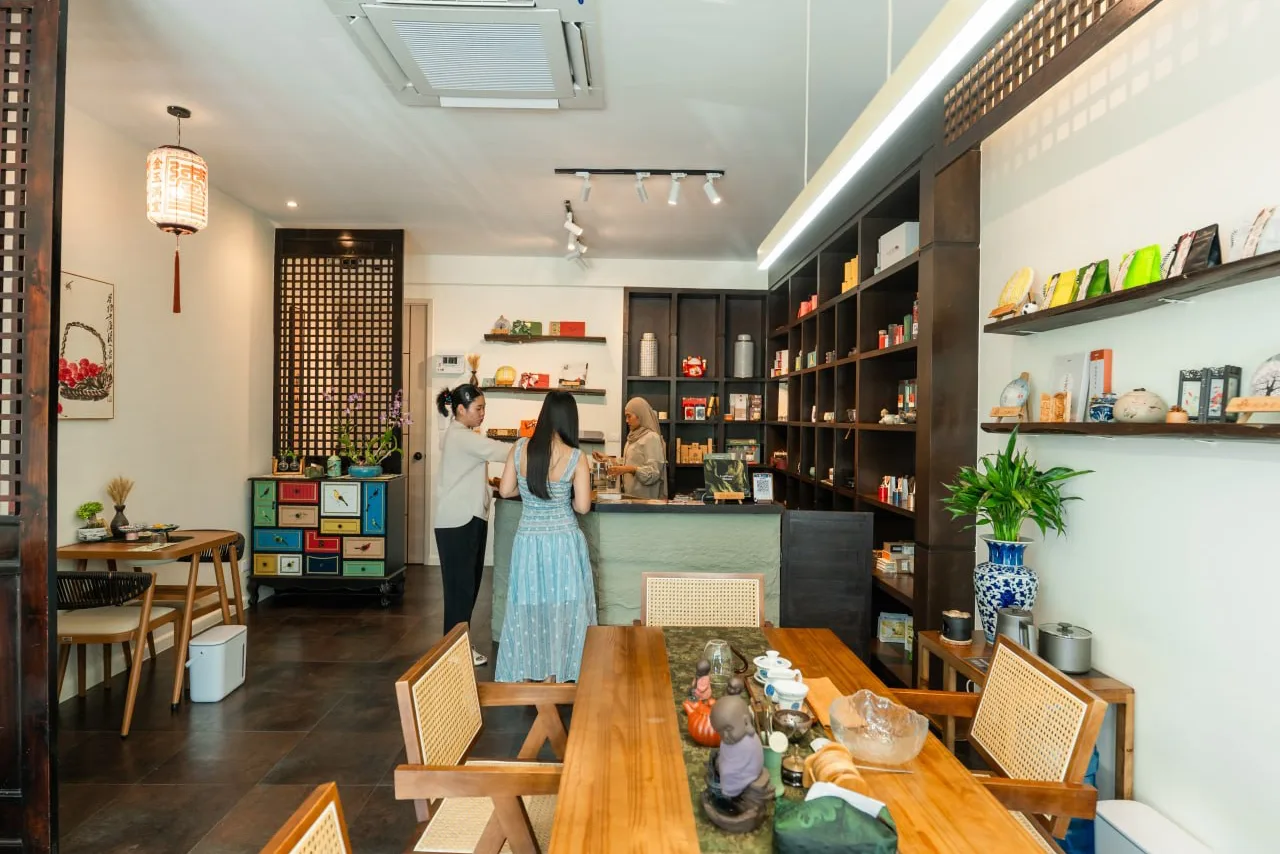
Real Chinese tea is easy to tell from a souvenir shelf in Thailand with three questions to the seller: where was the leaf grown, when was it picked, how is it stored. This guide was written behind the counter of a Phuket tea house: we share what we check with our own suppliers before a single baht changes hands. Then comes where to find sellers you can put those questions to: tea houses in Phuket, Bangkok and Chiang Mai, online with nationwide delivery, or the Chinese-goods markets.
How do you tell direct-sourced tea from a tourist shelf?
Ask three questions: where was it grown, when was it picked, how is it stored? A seller who buys at the farm answers in seconds. That habit alone filters out most bad tea here.
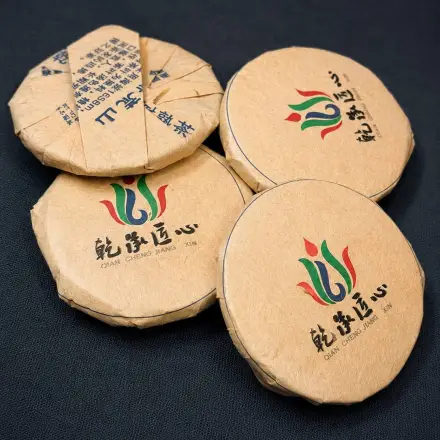
Harvest year matters most. Green tea and light oolong should be this year's or last year's leaf; only puerh improves with age, and then the year belongs on the label - our sheng cakes say 2018, 2019, 2023, never a vague "aged". Storage decides the rest in this climate. Phuket air is humid all year, so loose leaf lives sealed and opaque, far from the kitchen; a jar left open in a hot shop gave up its aroma long ago. Then price: on our shelf, single-origin leaf runs 480–690 THB per 100 g - bought at the farm, picked this season or last, sealed opaque and dated. New to the categories? Start with our guide to Chinese tea types.
Where can you buy real Chinese tea in Thailand?
Three places are worth your time: Yaowarat, Bangkok's Chinatown, where family shops have weighed out leaf for generations; Chiang Mai, gateway to the northern tea mountains; and Phuket, where tea arrived with Hokkien Chinese families more than a century ago. Each has real tea - and a tourist shelf.
In Yaowarat, walk past the gift tins to the shops that sell by weight from big canisters. In the north, the mountain village of Mae Salong grows serious oolong on old Taiwanese cultivars - our GABA Oolong Amber Smoke comes from there. Souvenir stalls are fine for teaware, risky for leaf: tea hates sunlight and open air, and a market shelf offers both.
Chinese tea in Phuket: from Hokkien shophouses to a tasting table
Phuket Old Town was built by Hokkien tin-mining families, and tea came with them - drunk here for over a century.
Our tea house, Leaf & Spirit, sits at 101 Cherng Talay Road in Choeng Thale, north of Old Town, open daily 10:00–18:30. We buy directly at origin: puerh and dianhong from Yunnan, oolong from Fujian and Mae Salong. We sell only what we drink ourselves. Ask, and we will brew a tea before you buy it - or book a gongfu cha ceremony (功夫茶, "tea with skill") with our tea master: about two hours, from 2,000 THB.
The independent guide Phuket Insider answers the same question plainly: "For those looking for high-quality loose-leaf tea in Phuket, Leaf & Spirit is worth a visit" - their words, not ours; they also published a full review of our tea house.
Our shelf as of September 2026, the prices we measure everyone else's against:
| What | From |
|---|---|
| Oolongs: milk, osmanthus, peach | 480 THB / 100 g |
| GABA oolong from Mae Salong | 650 THB / 100 g |
| Red tea: Yunnan dianhong | 550 THB / 100 g |
| Black with lychee or rose, green with jasmine | 480 THB / 100 g |
| Pu-erh: 12 g mini cake / 200 g cake | 130 THB / 750 THB |
| Thai infusions: matum, anchan | 250 THB / 100 g |
Buying Chinese tea online in Thailand
Most of Thailand finds us online. Delivery anywhere in Thailand is ฿150, free from ฿2,000; orders go through WhatsApp, LINE or the order form, and a person - not a bot - confirms each one.
A tea house's own catalog shows the real product with region and year, and answers questions before you pay. Full steps live on the how to order page. Torn between two teas? Say so - recommending is the part we enjoy most.
FAQ
How much does good Chinese tea cost in Thailand?
On our shelf, single-origin loose leaf runs 480–690 THB per 100 g, and sheng puerh cakes 750–1,280 THB for 200–357 g. Small budgets work too: a 12 g mini puerh cake is 130–140 THB and carries a full session.
Can I taste Chinese tea before buying in Phuket?
Yes - that is what a tea house is for. At Leaf & Spirit in Choeng Thale we brew any open tea before you commit, daily 10:00–18:30. A full ceremony with our tea master runs about two hours, from 2,000 THB.
Is it safe to order Chinese tea online in Thailand?
It is when the seller names region and harvest year, shows real photos and answers questions before payment. We ship across Thailand for ฿150, free from ฿2,000, and confirm every order over WhatsApp or LINE.
Where can you buy Chinese tea in Pattaya, Bangkok or Samui?
In Bangkok, head for Yaowarat, where leaf is weighed in front of you. In Pattaya and on the islands we have yet to meet a tea shop with direct sourcing, so we ship there instead: ฿150 across Thailand, free from ฿2,000, with a real person confirming each order on WhatsApp or LINE.
Do you ship Chinese tea outside Thailand?
Within Thailand it is simple: ฿150 nationwide, free from ฿2,000. For orders beyond Thailand, write to us on WhatsApp or LINE - we will sort out the details for your case. And if you are visiting Phuket, leaf travels light: sealed opaque packs, 100 g adds nothing to a carry-on.
Notes on traditional properties are part of Chinese tea culture and are not medical advice.
Buy from the tea house shelf
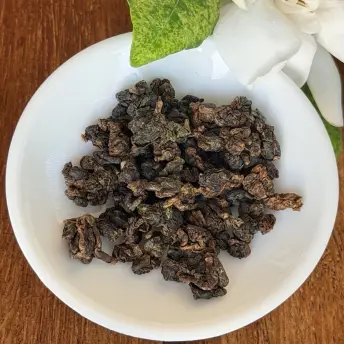 GABA Oolong Amber Smoke
from 650 THB
View this tea
GABA Oolong Amber Smoke
from 650 THB
View this tea
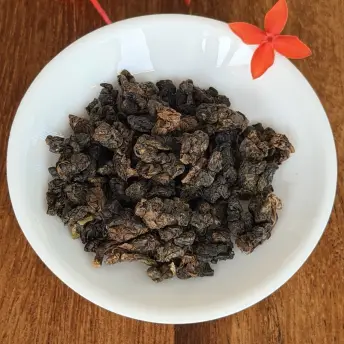 Red Oolong No. 12
from 690 THB
View this tea
Red Oolong No. 12
from 690 THB
View this tea
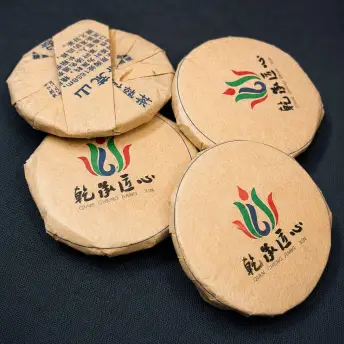 Ancient Tree Raw Pu-erh (Sheng) Mini Cake
from 140 THB
View this tea
Ancient Tree Raw Pu-erh (Sheng) Mini Cake
from 140 THB
View this tea
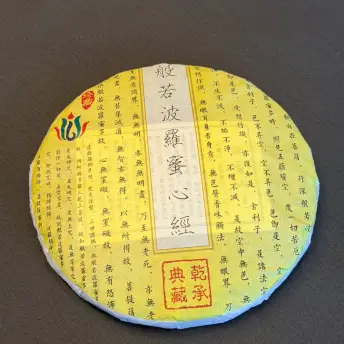 Wuliang Mountain Sheng Pu-erh (2019)
from 1300 THB
View this tea
Wuliang Mountain Sheng Pu-erh (2019)
from 1300 THB
View this tea
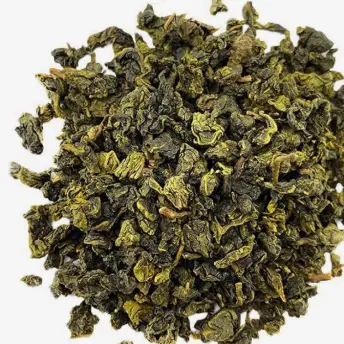 Milk Oolong
from 480 THB
View this tea
Milk Oolong
from 480 THB
View this tea